
Ordinary instant adhesives such as 502 or 401 are commonly tried for bonding silicone to metal, yet they almost always fail. The key reason is that they contain no silicone activating ingredients to break through the silicone oil layer on the silicone surface, resulting in nearly zero interfacial adhesion. In addition, silicone is prone to deformation, so the bond will crack and peel off under vibration.
There are two types of instant adhesives suitable for silicone-to-metal bonding:
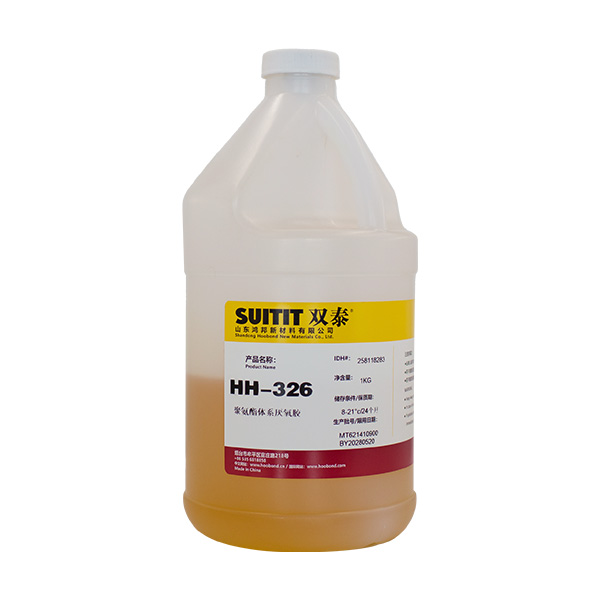
- Primer-free toughened instant adhesive specially formulated for silicone, e.g. SUITIT SG220;
- Conventional rubber-toughened instant adhesive such as SUITIT SG480, to be used with a silicone primer.
Using toughened instant adhesive together with silicone primer usually delivers excellent bonding performance. This adhesive boasts great versatility and wide application range, yet it requires an extra priming step, making it unsuitable for ultra-high-speed automated production lines.
Reasons for This Selection
- Surface Adhesion Standard instant adhesives cannot wet low-surface-energy silicone. The special silicone-grade adhesive comes with built-in activating components, while the primer activates the silicone surface and removes the silicone oil release layer, achieving firm bonding between silicone and metal.
- Adhesive Layer Toughness Both options adopt rubber-modified toughened formulas and form elastic cured layers. They resist brittle cracking when silicone undergoes bending, vibration or thermal contraction. In contrast, pure 502 cures into a rigid layer that peels off easily under stress.
- Construction Compatibility The primer-free type allows one-step dispensing and fits high-speed assembly lines. The combination of toughened adhesive and primer features broad material compatibility for various substrates, with only one extra brushing step. Both solutions meet the bonding requirements for small silicone-metal components.