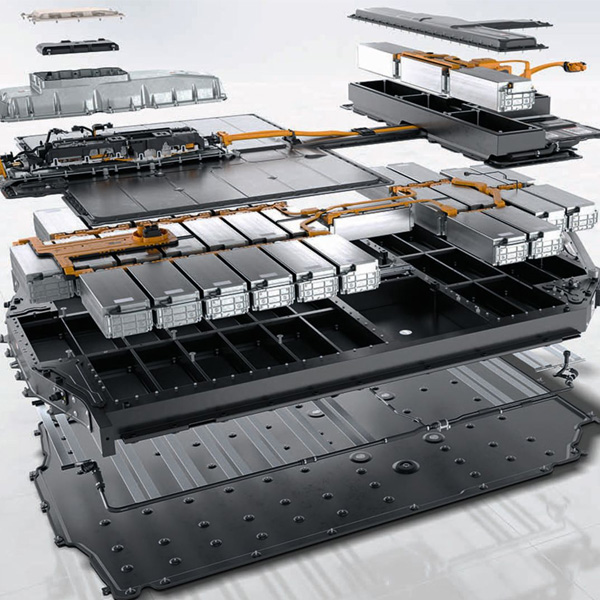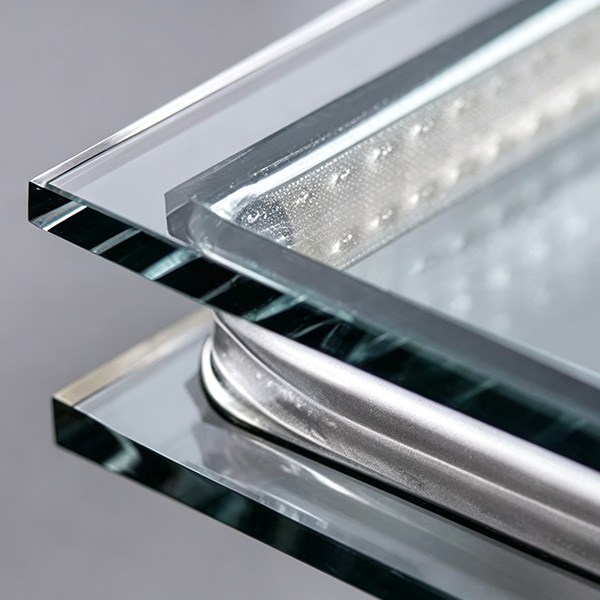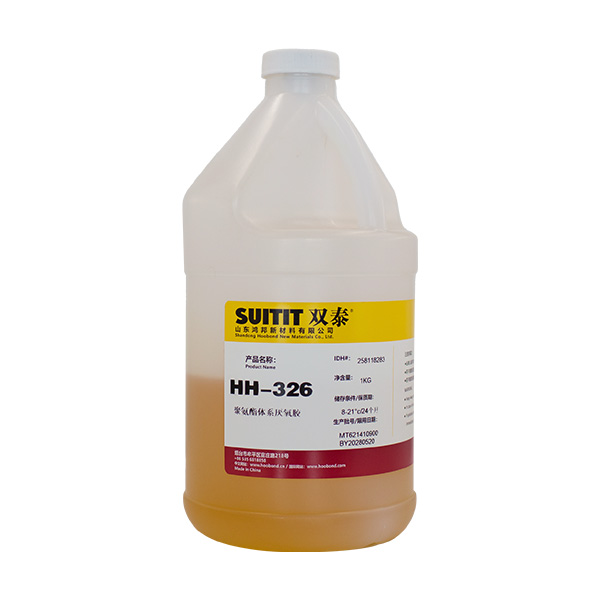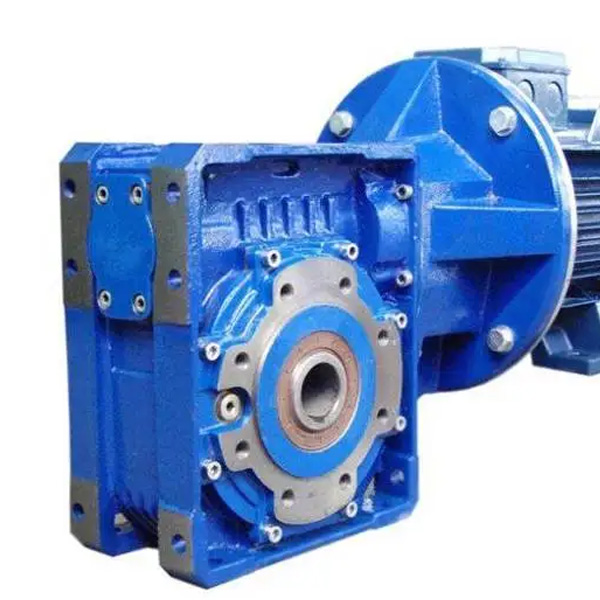

Compared with traditional joining methods, adhesive bonding delivers more uniform stress distribution across the entire joint surface and performs better under static or dynamic loads. Welded or riveted joints tend to suffer localized stress concentration, whereas adhesives can evenly distribute and absorb such stresses. Below is a comparison between elastic bonding and rigid bonding using structural adhesives.
| Comparison Item | Rigid Bonding | Elastic Bonding |
|---|---|---|
| Typical Adhesives | Standard two-part epoxy, unsaturated resin | Two-part PU adhesive, MS modified silane, toughened modified epoxy |
| Bondline Property | High hardness and modulus, extremely low elongation, barely deformable | Flexible bondline with high elongation, capable of elastic stretching |
| Stress Relief Capacity | Unable to absorb deformation. Stress easily accumulates on dissimilar substrates, resulting in debonding or substrate cracking | Relieves interfacial stress through elastic deformation and compensates for thermal expansion mismatch between different substrates |
| Mechanical Characteristics | High shear and compressive strength; poor peel resistance | Slightly lower shear strength; excellent peel strength and impact resistance |
| Failure Mode | Brittle fracture; complete separation once cracks appear | Ductile failure with slow crack propagation and higher safety margin |
| Applicable Working Conditions | Static environment, minor temperature fluctuation, no continuous vibration, identical rigid substrates | Thermal cycling, continuous vibration, impact loads, bonding of dissimilar materials (glass to stainless steel, plastic to metal, etc.) |
| Typical Application Scenarios | Hard metal joining, stone bonding, indoor static load-bearing workpieces | Glass-to-metal bonding, plastic-to-hardware assembly, outdoor equipment housings, automotive lamps, construction machinery components |
| Main Limitations | Not suitable for dissimilar materials with large differences in thermal expansion coefficients; prone to failure under dynamic working conditions | Ultimate compressive resistance and high-temperature static shear strength are inferior to rigid epoxy |
Adhesive Selection Recommendations:
Rigid Bonding: Use rigid structural adhesives such as epoxy and conventional unsaturated resin. After curing, the bondline features high modulus and hardness with extremely low elongation at break, and is barely deformable.
Elastic Bonding: Adopt polyurethane (PU), modified silane (MS) adhesives and toughened structural adhesives. The cured bondline offers high elongation capacity, enabling elastic stretching and deformation buffering.