
New energy power batteries and energy storage batteries are evolving toward lightweight design, CTP module-free configuration and enhanced safety. During manufacturing and assembly, adhesives perform multiple functions including structural fixation, thermal conduction & heat dissipation, sealing & protection, electrical insulation and vibration damping, as well as thread locking. They replace numerous bolts, fasteners and welding joints, and directly determine the vibration reliability, thermal management performance and service safety life of battery packs.
Cell-to-Cell / Module Fixation
Operating conditions: Continuous vehicle vibration, thermal cycling, significant differences in thermal expansion coefficients between dissimilar substrates (aluminum and plastics); rigid adhesive layers that squeeze cell housings are prohibited.
Adhesive selection: Two-component polyurethane structural adhesives (elastic bonding preferred), toughened acrylic structural adhesives.
Bonding Between Cells and Liquid Cooling Plates / Heat Sinks
Operating conditions: Interfacial filling between cell bottoms and water cooling plates to transfer heat, homogenize temperature fields and prevent local overheating.
Adhesive selection: Thermally conductive adhesives or thermally conductive structural adhesives, which rapidly transfer heat generated by operating cells and maintain balanced battery temperature.
Upper/Lower Housings and Frames of Battery Packs
Operating conditions: Flange sealing between battery pack cover and tray to achieve waterproof and dustproof performance, and block moisture and electrolyte vapor.
Adhesive selection: One-component neutral silicone adhesives, MS modified silane adhesives.
Assembly of Internal Small Components
- Fixation of busbars, PCBs and wiring harnesses, solder joint protection: UV adhesives and epoxy protective adhesives featuring fast curing, insulation and moisture resistance.
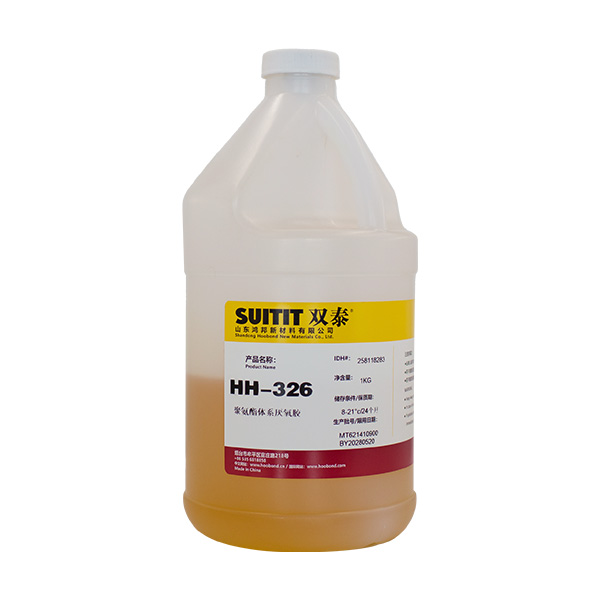
- Anti-loosening for cabinet bolts and module fasteners: Medium-strength anaerobic threadlockers.