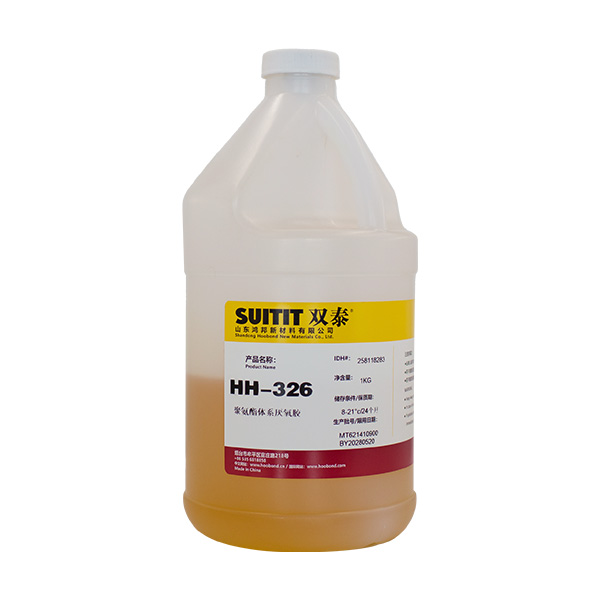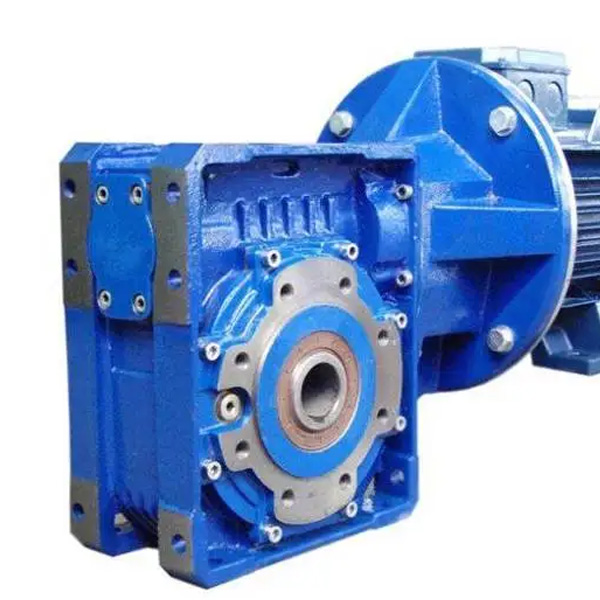

Threadlocking adhesives prevent bolt loosening, protect bolts against vibration and impact, and permanently secure bolt assemblies. They deliver consistent assembly torque and avoid fretting corrosion. Adhesive strength requirements vary significantly depending on specific application scenarios. What advantages do they have over conventional mechanical locking solutions?
Threadlockers outperform traditional mechanical locking methods:
Mechanical fasteners: e.g., cotter pins, toothed washers. They only serve to stop nuts and bolts from coming loose.
Friction-enhancing solutions: Elastomers are added to boost friction. However, they cannot provide permanent thread locking performance under vibration.
Clamping designs: Examples include serrated/fluted flanges, additional bolts and gaskets on flange faces. While these methods prevent bolt loosening, they come with high costs, demand larger flange surfaces, and risk damaging the flange surface.
Therefore, we recommend industrial users replace mechanical locking with threadlocking adhesives. Under ambient temperature, these adhesives form thermoset plastics between most metal substrates such as steel, aluminum and brass. They cure in the absence of oxygen, fully fill thread clearances, and lock bolts and connected components securely.