
Rubber materials are widely used in sealing parts, hoses, gaskets and shock-absorbing components across industries. Due to its high elasticity, smooth surface and low surface energy, rubber is difficult to bond firmly. Selecting the right adhesive is the key to achieving long-lasting rubber bonding. Different rubber types and bonding scenarios correspond to different professional glues.
For general rubber-to-rubber bonding, cyanoacrylate adhesives (instant adhesives) are the most common choice. They cure rapidly at room temperature, form tight bonding within seconds, and are suitable for small rubber parts assembly. To improve brittleness of ordinary instant glue, choose rubber-toughened instant adhesives, which enhance flexibility and adapt to rubber’s elastic deformation, preventing peeling under bending and stretching.
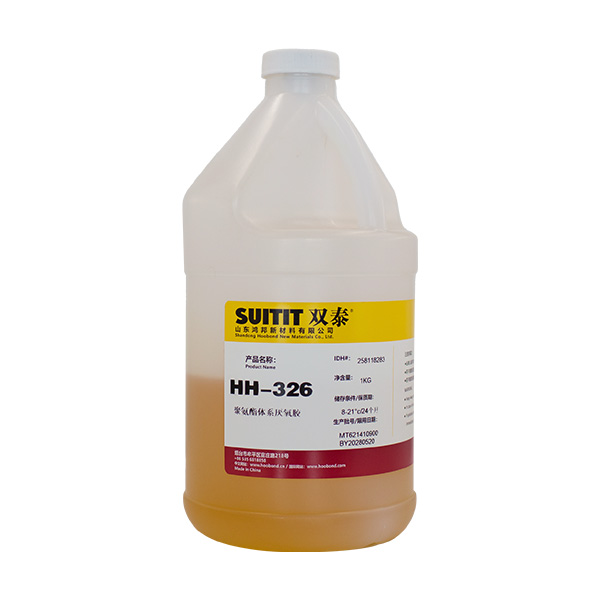
For large-area rubber bonding and high-flexibility scenarios, polyurethane adhesives are highly recommended. This type of glue has excellent elasticity, waterproof performance and aging resistance. It can follow the expansion, contraction and bending of rubber for a long time, without cracking or debonding. It works well for soft rubber, silicone rubber and EVA foam rubber, and is ideal for outdoor rubber products exposed to wind and rain.
When bonding rubber to metal, plastic or rigid substrates, epoxy structural adhesives and special rubber composite adhesives are preferred. Two-component epoxy adhesives provide ultra-high bonding strength and impact resistance, suitable for rubber-metal structural parts bearing heavy load. Special rubber adhesives feature good wettability on low-surface-energy rubber surfaces, effectively solving the problem of weak adhesion caused by smooth rubber texture.
Silicone rubber is a special category with ultra-low surface energy. Ordinary adhesives hardly stick to it. Professional silicone adhesives or modified silicone instant glues must be used. These products have strong permeability and adhesion to silicone rubber, maintaining stable bonding under high and low temperature changes.
Before gluing, surface treatment cannot be ignored. Polish the rubber surface slightly to increase roughness, and remove grease and dust with professional cleaning agent. Proper surface treatment can double the bonding effect of any adhesive.
In conclusion, pick instant adhesives for small rapid assembly, polyurethane adhesives for large-area and flexible bonding, structural adhesives for rubber and hard material combination, and special silicone glue for silicone rubber. Matching adhesive with usage scenario guarantees firm and durable rubber bonding.