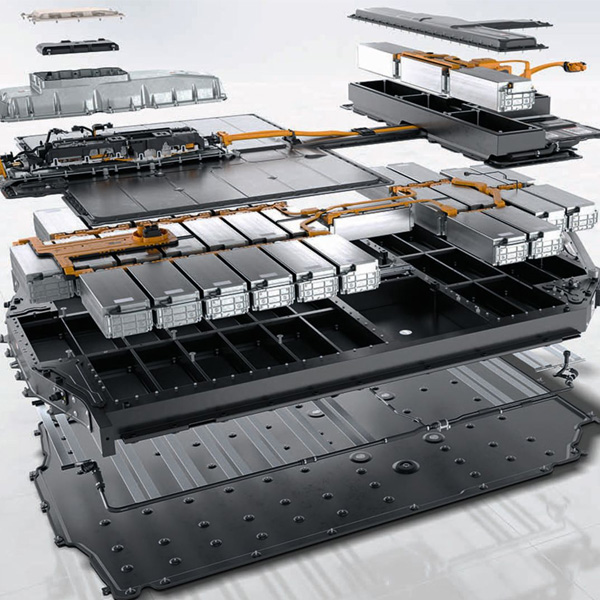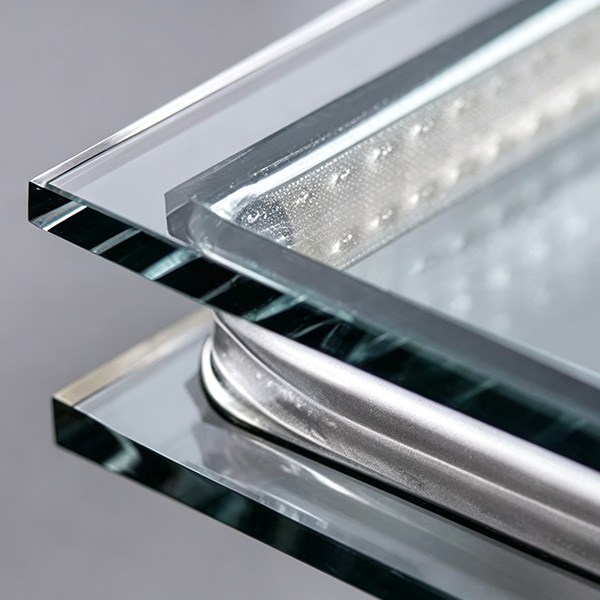

In the manufacturing of electronic products such as consumer electronics, new energy electronics and industrial control precision electronics, bonding rubber and aluminum alloy dissimilar materials is a common and long-standing core technical challenge. A large number of components inside electronic devices, including shock-absorbing gaskets, sealing rings, buffer pads, waterproof shell assemblies and heat dissipation buffer structures, are compositely formed by combining rubber and aluminum alloy substrates. These two substrates differ drastically in physical and chemical properties as well as surface interfacial characteristics. Insufficient interfacial bonding force or easy delamination between adhesive layers will directly lead to failures such as loss of waterproof performance, attenuation of shock absorption, collision damage of internal components and sharp reduction of overall service life. Therefore, achieving high-strength and long-term stable interfacial bonding is a critical process to guarantee the overall performance, sealing reliability and long service life of electronic products.
Two major interfacial problems restrict the bonding effect between rubber and aluminum alloy: the low surface energy of rubber substrates, and the dense inert alumina oxide layer that spontaneously forms on aluminum alloy surfaces. Ordinary adhesives cannot fully spread and wet low-surface-energy rubber. Meanwhile, the alumina layer features extremely poor adhesion, leaving the adhesive layer merely attached to the metal surface. Delamination and peeling easily occur under temperature fluctuation, moisture or slight external force. Traditional industrial solutions mostly adopt mechanical connection processes including screw fastening, clamping and stamping riveting, which carry obvious drawbacks. Mechanical connection points cause concentrated stress, resulting in loose parts and abnormal noise after long-term vibration. Holes and buckle structures increase overall volume and weight, failing to comply with the prevailing design trend of miniaturization, ultra-thinness and lightweight for modern electronic products. In addition, gaps exist at mechanical joints, making full waterproof and dustproof sealing impossible, while assembly procedures are cumbersome with high labor and mold costs.
Nevertheless, general-purpose adhesives such as ordinary epoxy glue, standard cyanoacrylate instant glue and single-component silicone rubber cannot simultaneously adapt to rubber and aluminum alloy substrates due to their inherent defects, including weak bonding strength, poor temperature resistance, easy hydrolysis and aging, and unqualified insulation performance, which fail to meet strict working conditions of electronic manufacturing. Special adhesives designed for reliable bonding between rubber and aluminum alloy must satisfy a series of core performance requirements simultaneously. Firstly, they shall deliver outstanding surface wetting and spreading performance on both rubber and aluminum alloy, penetrating the oxide layer and firmly anchoring to the surfaces of the two substrates. Secondly, the cured adhesive shall feature high peel strength and high shear strength to resist vibration and impact without peeling. Thirdly, excellent aging resistance, humidity and heat resistance, wide temperature resistance and weather resistance are required to adapt to long-term temperature cycling, humid and dusty operating environments of electronic equipment. Fourthly, functional variants can be customized according to segmented electronic product demands: insulating adhesives secure circuit safety, low-conductivity or thermal-conductive adhesives fit heat dissipation modules, and halogen-free low-VOC formulas comply with electronic environmental protection standards. Additional requirements include controllable curing speed, low volatile organic compounds, non-corrosive properties and zero damage to electronic components.
Main Types of Adhesives Suitable for Bonding Rubber and Aluminum Alloy
- Modified Acrylic Structural Adhesive: The most versatile option, compatible with nitrile rubber, silicone rubber, EPDM rubber and aluminum alloy. It offers high bonding strength and outstanding resistance to water and humidity, easy to operate for mass electronic assembly.
- Primer-matched Cyanoacrylate Instant Adhesive: Cures rapidly with dedicated metal and rubber primers, ideal for bonding tiny precision buffer gaskets.
- Two-component Modified Silicone Adhesive: Features flexible adhesive layers with superior shock absorption and buffering performance, wide high-low temperature resistance, mainly applied to waterproof sealing rubber-aluminum assemblies.
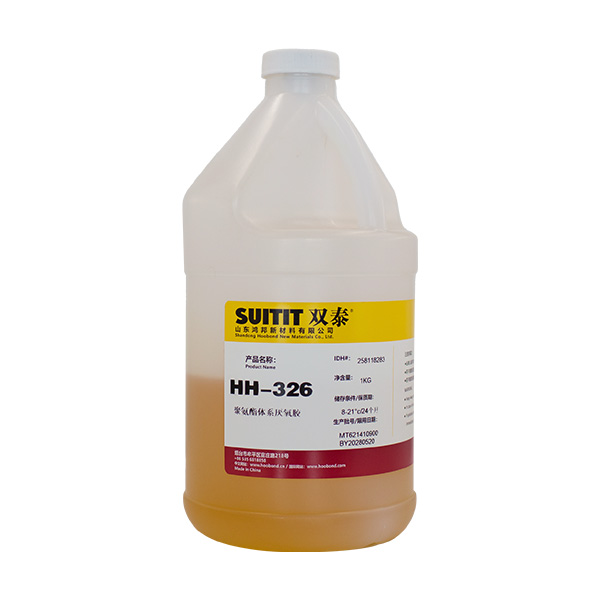
- Polyurethane (PU) Structural Adhesive: Extremely high toughness and anti-fatigue aging capacity, suitable for sealing electronic shells under long-term vibration conditions.