

- Home
- Industries
- Aerospace
Tired Of These Bonding Troubles?
Delamination under Altitude Temperature Cycles
Wide temperature swings and high-altitude low pressure cause bubbling and debonding of ordinary adhesives.
Bond Strength and Aviation Fire Standards
Aviation requires good flame retardancy; regular adhesives cannot balance mechanical performance and fire safety.
Aging from Vibration Fatigue & Chemical Erosion
Long-term vibration plus fuel and ozone corrosion lead to joint cracking and sealing failure.
Composites are widely used in aerospace. Professional adhesives realize lightweight structural bonding, sealing and shock absorption, with mandatory high standards for temperature resistance, flame retardancy and safety.
Pain Points
Selection Standard
Adhesive Type
Pain Points
Selection Standard
Adhesive Type
Pain Points
Selection Standard
Adhesive Type
Pain Points
Selection Standard
Adhesive Type
Pain Points
Selection Standard
Adhesive Type
Pain Points
Selection Standard
Adhesive Type
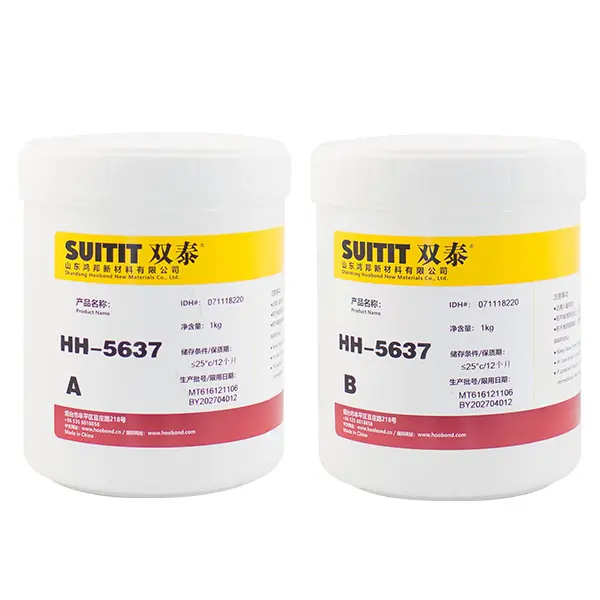
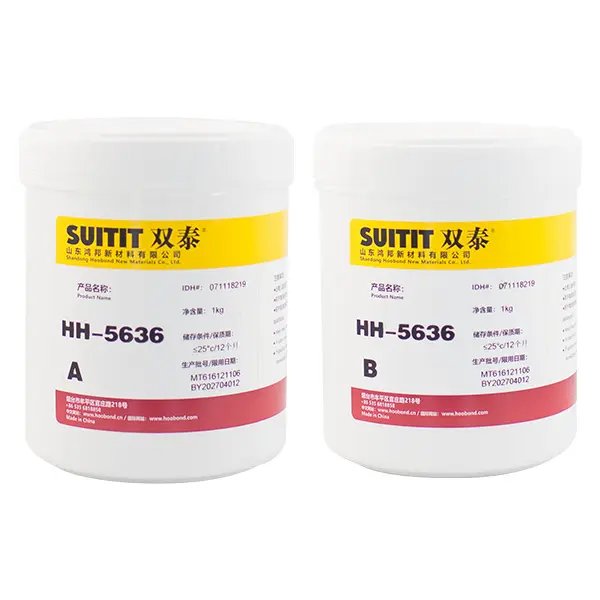
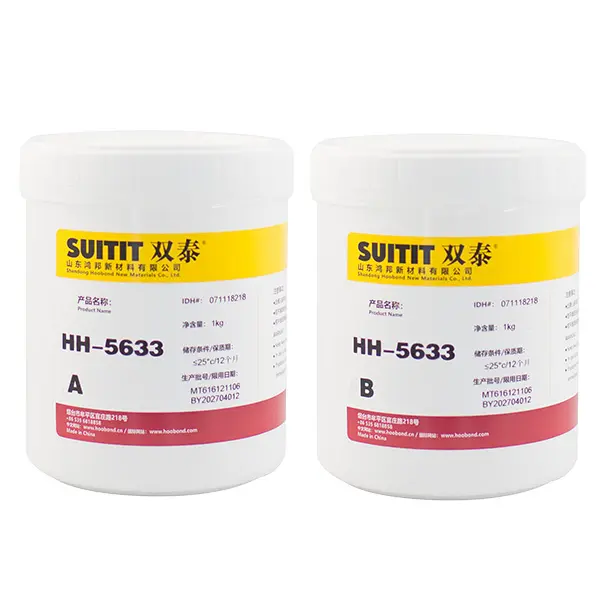
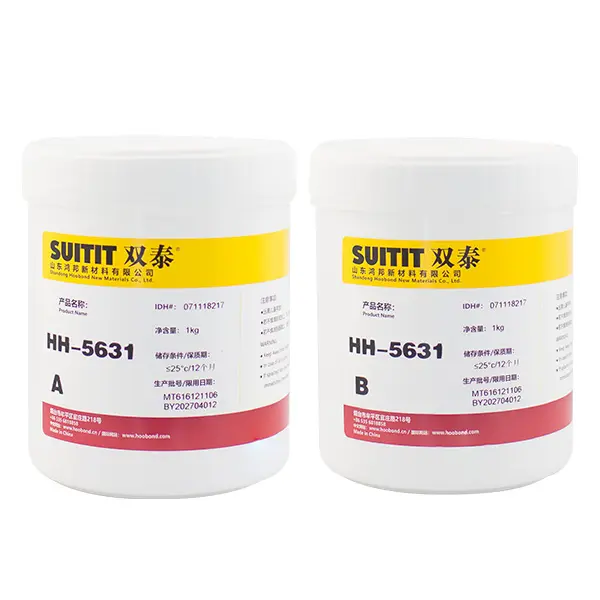
All adhesive formulas support third-party aviation standard testing, complete test reports can be provided for customs and client audit.
Low-VOC, low-toxicity formulas meet REACH, RoHS and mainstream aviation fire safety standards for export to Europe, North America and Southeast Asia.
Standard shelf life 6–12 months under 25°C dry storage. Export-grade leak-proof packaging with full storage guidance attached to shipments.
Multiple curing speed options available. Fast-curing grades fit high-speed automated dispensing to boost production efficiency.
Yes, OEM & ODM customization is available. We adjust viscosity, curing speed and hardness to match local assembly line processes and vehicle component requirements.
Looking for solutions? We can help
Get in touch with our experts and start exploring advanced materials solutions today.