

- Home
- Industries
- Automotive
Tired Of These Bonding Troubles?
Difficult Bonding of Mixed Metals & Composites
Welding & bolts fail to join aluminum, steel, plastic and carbon fiber; extra weight hurts EV mileage.
Battery Heat Dissipation & Insulation Hidden Risks
Poor heat conduction, water ingress and vibration easily trigger short circuit and safety hazards of power packs.
Leakage, Interior Noise & Strict VOC Standards
Gaps bring wind/water leakage; metal vibration causes cabin noise; low-VOC regulations limit ordinary adhesives.
The automotive industry is shifting toward lightweight construction, new energy electrification and stricter environmental standards. Traditional welding and mechanical connections struggle with multi-material bonding, battery safety risks, cabin noise and VOC limitations, raising demands for high-performance, multi-functional adhesives.
Pain Points
Selection Standard
Adhesive Type
Pain Points
Selection Standard
Adhesive Type
Pain Points
Selection Standard
Adhesive Type
Pain Points
Selection Standard
Adhesive Type
Pain Points
Selection Standard
Adhesive Type
Pain Points
Selection Standard
Adhesive Type
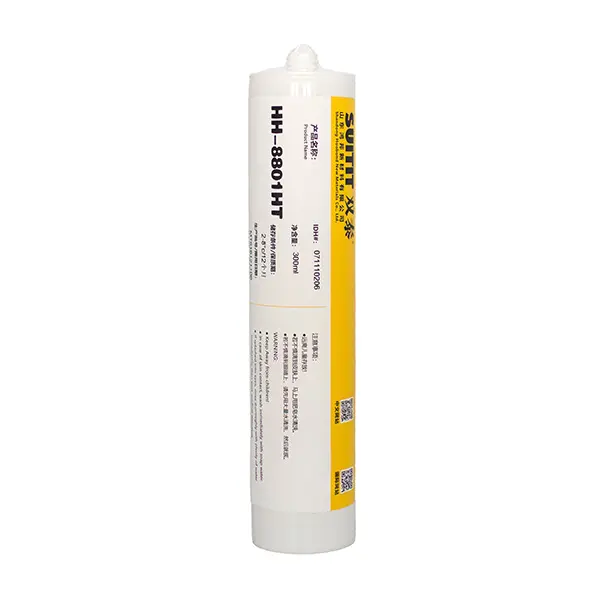
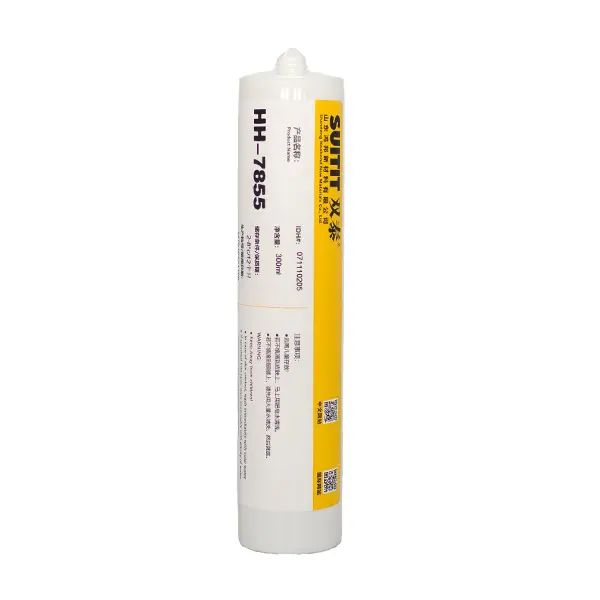
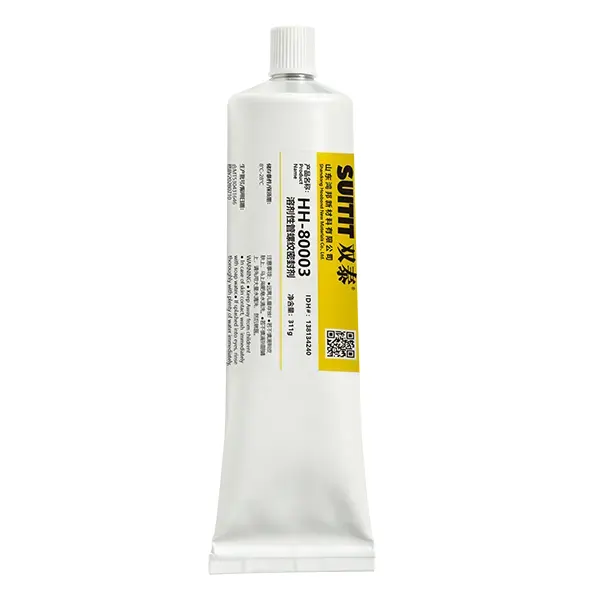
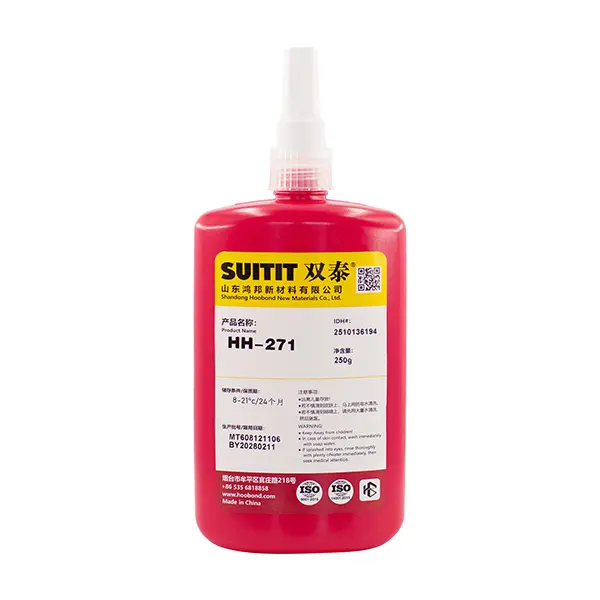
Two-component epoxy structural adhesives are adopted, with high specific strength and fatigue resistance to handle altitude temperature cycles.
Flame-retardant water-based modified epoxy adhesives comply with aviation fire safety requirements for honeycomb panels and interior trims.
High-temperature silicone and polyimide adhesives resist extreme heat, fuel and hydraulic fluid erosion for long-term sealing.
Multiple curing speed options available. Fast-curing grades fit high-speed automated dispensing to boost production efficiency.
Yes, OEM & ODM customization is available. We adjust viscosity, curing speed and hardness to match local assembly line processes and vehicle component requirements.
Looking for solutions? We can help
Get in touch with our experts and start exploring advanced materials solutions today.