

- Home
- Industries
- Shipbuilding
Tired Of These Bonding Troubles?
Subjected to long-term Seawater & Salt Spray Corrosion Aging
Long-term immersion and coastal salt fog erode common adhesives, causing sealing failure and joint peeling.
Wide Temperature Fluctuation & Vibration Fatigue
Alternating cold/hot seawater temperature plus sailing vibration generates repeated stress, cracking adhesive layers.
Strict Marine Flame Retardant & Environmental Rules
IMO low-smoke low-toxicity and REACH standards limit conventional glue formulas with poor safety performance.
Adhesives are widely used for bonding, sealing and potting on yachts, cargo ships and workboats. They replace welding and fasteners to cut vessel weight, block seawater penetration, resist salt corrosion and damp vibration, while meeting marine fire protection and international export environmental standards.
Pain Points
Selection Standard
Adhesive Type
Pain Points
Selection Standard
Adhesive Type
Pain Points
Selection Standard
Adhesive Type
Pain Points
Selection Standard
Adhesive Type
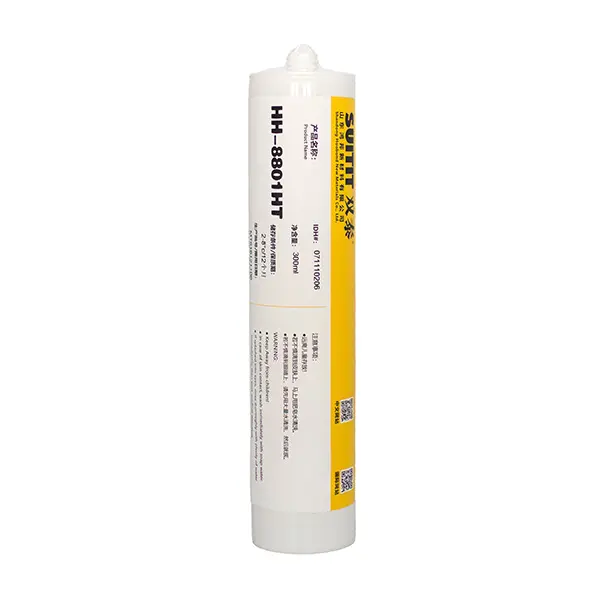
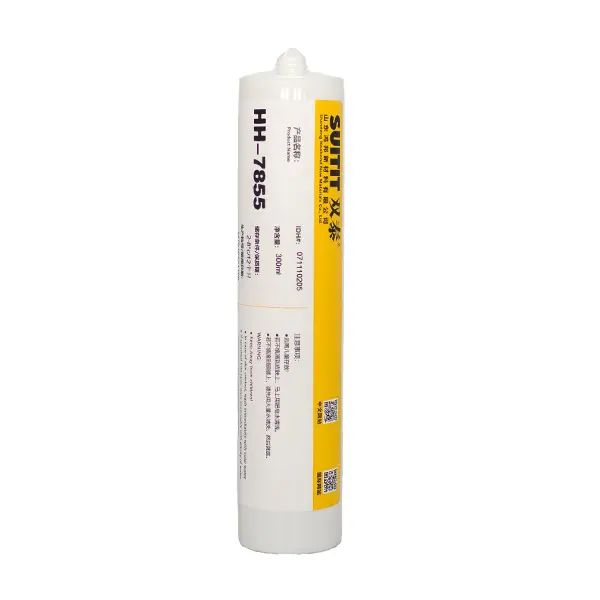
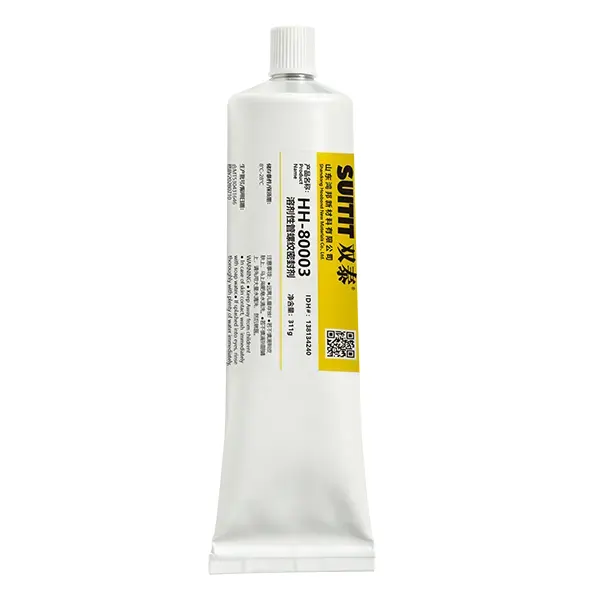
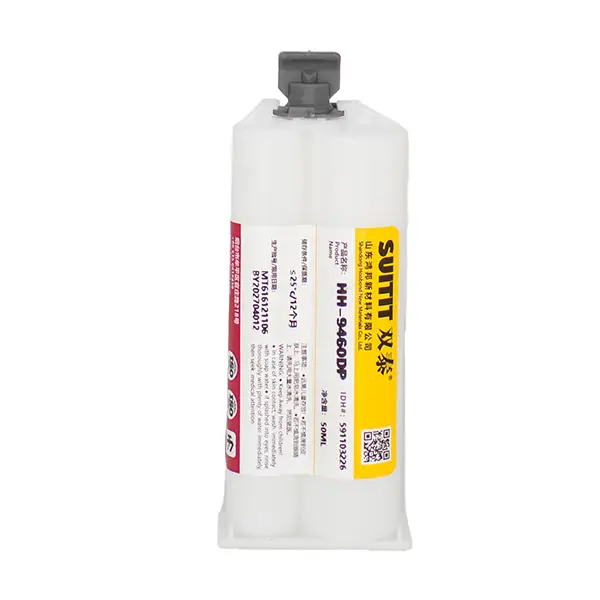
Marine-grade MS modified silane adhesives deliver outstanding salt spray resistance and permanent waterproof sealing.
Low-VOC flame-retardant water-based polyurethane adhesives meet IMO low-smoke and low-toxicity marine requirements.
Low-VOC flame-retardant water-based polyurethane adhesives meet IMO low-smoke and low-toxicity marine requirements.
Multiple curing speed options available. Fast-curing grades fit high-speed automated dispensing to boost production efficiency.
Yes, OEM & ODM customization is available. We adjust viscosity, curing speed and hardness to match local assembly line processes and vehicle component requirements.
Looking for solutions? We can help
Get in touch with our experts and start exploring advanced materials solutions today.